
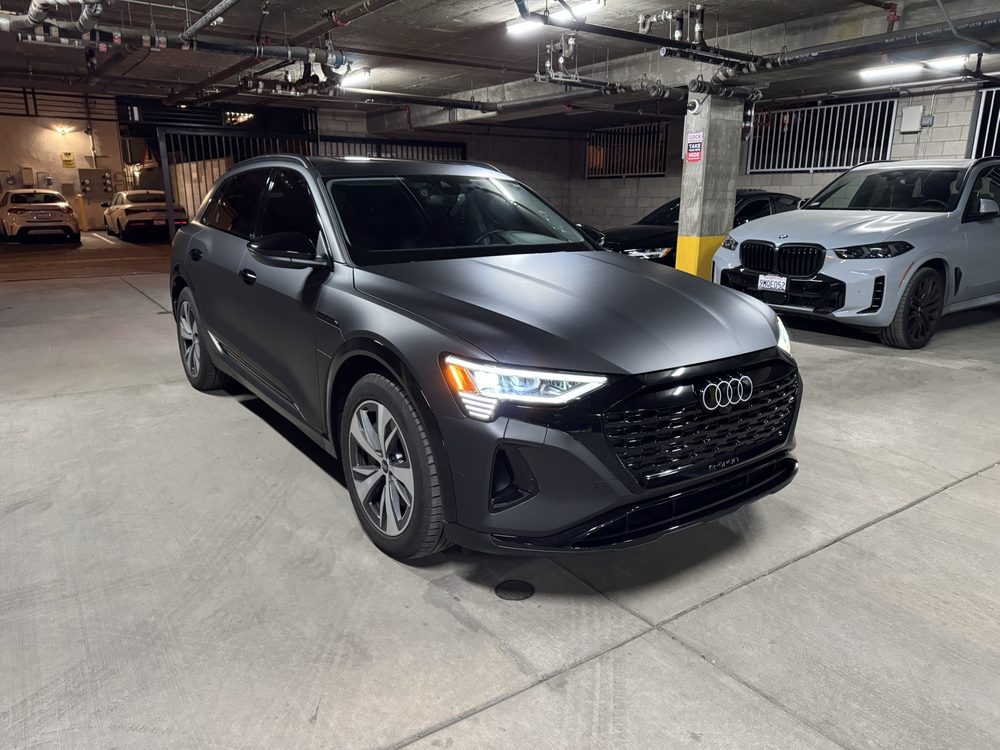
Car bumps and scrapes happen to careful drivers, too. Parking lot dings, a misjudged curb, or a low-speed tap can leave marks that look worse than they are. This guide keeps things simple so you can talk to a repair shop with confidence and make smart choices about time and money. You’ll learn what parts get damaged, how costs are figured out, and which jobs you can safely try at home. We’ll also cover paint steps, sensor checks, and what “structural” really means. By the end, you’ll be ready to plan your next repair without stress and keep your car safe, good-looking, and worth more when it’s time to sell or trade.
Understanding Vehicle Panels
Modern cars use a mix of steel, aluminum, plastic, and, on some models, carbon fiber. The outer pieces you see—fenders, doors, hood, trunk lid, and bumper covers—are shaped to absorb small hits and protect parts beneath. Inner pieces include rails, aprons, and crossmembers that support the engine, suspension, and safety systems. Many panels are spot-welded or bonded with strong adhesives. Aluminum panels are light but need different tools than steel. Plastic bumper covers sit over energy-absorbing foam or bars. Cars are designed with “crumple zones” that fold in a big hit to keep the force away from people inside. Knowing which piece took the hit helps you decide whether repair or replacement makes more sense.
Common Body Damage
Body damage comes in a few familiar forms. Dents push metal inward without breaking paint. Creases are sharper and often stretch the metal. Scratches cut through the clear coat and sometimes into the color or bare metal. Scuffs mark the clear coat, but can often be polished away. Bumper damage may split plastic or pull it out of shape. Hail leaves many small dings across the roof, hood, and trunk. Rust forms where paint is missing or moisture sits behind trim. After a parking bump, check that doors open evenly and body lines still match from panel to panel. If a wheel looks off-center in the arch, or a gap is wide on one end, deeper checks are wise.
First Steps After Damage
A simple plan right after a mishap saves time later. Park safely, switch on hazards, and take clear photos from a few angles. Include close-ups and shots that show the full area. Note any warning lights, fluid leaks, or rubbing tires. If another driver is involved, exchange details and get a police report if needed. For small scrapes, clean the area with mild soap and water so you can see what’s real damage and what’s transfer paint. Quick checklist:
- Document: Photos, notes, and any witness info.
- Protect: Tape loose trim; cover sharp edges.
- Check safety: Headlights, turn signals, and mirrors.
- Call insurance: Ask about claim steps and if photos are enough.
Good records make estimates and claims smoother and faster.
Estimating Repair Costs
Shops build estimates from parts, labor hours, paint time, and supplies. Parts can be new from the maker (OEM), aftermarket, or recycled (used). Each choice has cost and fit trade-offs. Labor hours are based on guides and the technician’s inspection; tougher metals or limited access add time. Paint time includes surface prep, color coat, and clear coat, plus “feathering” into nearby areas so the color flows smoothly. You may also see hazardous waste and materials lines for tape, sandpaper, and cleaners. Ask the shop to explain:
- Which parts they’ll replace vs. repair
- New, aftermarket, or recycled options
- Paint steps and where the color will transition
- Any alignment or sensor checks after reassembly
Clear detail helps you compare two estimates fairly.
Dent Repair Methods
Small, shallow dents with intact paint often suit paintless dent repair (PDR). A tech massages metal from behind the panel using rods and levers, or pulls with glue tabs from the outside. PDR keeps the original finish, which is great for value. Sharper dents, or those with cracked paint, call for traditional methods: pulling pins with a stud welder, working the low spot up, then applying a thin layer of body filler. Key steps are:
- Rough out the dent with a hammer and dolly
- Sand to clean metal (often 80–120 grit)
- Apply filler thinly; shape with 80–180 grit
- Seal with epoxy or primer-surfacer
- Block-sand straight before paint
Used right, filler is safe; the goal is the thinnest layer needed for a smooth, true surface.
Bumpers, Lights, And Sensors
Bumper covers are plastic and often repairable if cracks are small and mounting points are intact. Plastic welding or two-part epoxy can restore strength, followed by sanding and paint. Many bumper covers hold parking sensors, and some cars use radar behind them for driver aids. After any bumper work, ask if the shop will perform calibration so that those systems aim correctly. Headlights can be replaced or, if only the bracket broke, repaired with kits designed for that lens type. Simple checks before driving away:
- All bulbs and LEDs light up evenly
- Sensors show no warnings on the dashboard
- Fog lights and turn signals work
- The bumper sits level with even gaps
Function comes first; then you can focus on looks.
Frame And Alignment Basics
People worry when they hear “frame,” but many repairs are routine. Shops use a measuring rack with laser or mechanical gauges to compare your car to maker specs. If rails or aprons moved, they can often be pulled back using clamps and careful pulls spread over time. Aluminum and high-strength steels may require lower heat and special tools. After straightening, four-wheel alignment verifies suspension angles so the car tracks straight and tires wear evenly. Airbag sensors and front cameras must sit within spec, too. Signs of needed checks include: crooked steering wheel, uneven gaps across the hood, or doors that latch hard. Structural work should end with printed measurements so you can see before-and-after values.
Paint Prep And Color Match
Good paint starts with good prep. The area is cleaned, old clear is sanded (often 400–600 grit), and bare metal or plastic is primed. Plastic parts may get an adhesion promoter. The painter sprays basecoat for color and clear coat for gloss and protection. Matching color is a skill: paint codes get you close, but age and sun fade change tone. Many shops use a camera that scans your panel and suggests a “variant” mix. To avoid a visible line, the painter will “feather” into nearby panels so the eye can’t spot where new color meets old. After curing, the surface is lightly sanded and polished to a shine. Always wait the suggested time before waxing.
DIY Or Shop Work
Some jobs are safe to try at home if you’re patient and set aside time:
- Wash, clay, polish: Remove scuffs and transfer paint.
- Touch-up chips: Clean, dab thin color, then clear.
- Small PDR kits: For round, shallow dings with easy access.
Save shop work for: sharp creases, torn metal, cracks near seat mounts, sensor or airbag areas, and anything that affects door gaps. When choosing a shop, look for:
- Written estimate with parts list and paint steps
- Clear warranty terms for paint and parts
- Training badges, such as I-CAR Gold Class
- Calibrations listed if sensors were removed
- A final walkthrough where you check gaps, lights, and a short test drive
Good communication often matters more than price alone.
Insurance And Claims Tips
For a claim, you can usually choose the repair shop, even if your insurer suggests a network partner. Ask about OEM part coverage, rental limits, and whether photos are enough or an in-person inspection is needed. Keep receipts for towing, storage, and scans. Helpful steps:
- Compare at least two estimates that describe the same work
- Ask the shop to contact the adjuster if extra damage appears after teardown
- Approve supplements in writing so timelines stay clear
- Save all paperwork for future resale
If repair costs approach the vehicle’s value, the insurer may call it a total loss. In that case, remove the new parts you added (when allowed), and bring spare keys and service records to help your payout look fair.
Keep Your Car Looking New
A few habits go a long way. Wash off road salt and bird droppings fast; both attack the clear coat. Park away from crowded cart areas. Use mud flaps if your tires throw grit onto rocker panels. Fix chips before rust starts. Consider a clear film on high-risk spots like the hood, front, and mirror caps. Wax or a modern paint sealant adds a slick layer that sheds dirt and makes washing easier. If you hear rubbing after a bump, don’t ignore it—plastic liners or a bent tab could cut into a tire. Quick checks and small fixes prevent bigger bills and keep your car feeling solid mile after mile.
Drive With Confidence Auto body repair doesn’t have to be confusing. Start with good photos and a simple checklist, ask clear questions about parts and paint steps, and make sure alignment and safety systems are checked when needed. A fair estimate spells out labor hours, materials, and any calibrations. Handle small touch-ups at home, but let a trained tech deal with creases, sensor zones, or anything that affects how the car drives. With a little know-how and the right help, you can get back on the road looking sharp and feeling safe. If you’re ready for friendly advice and quality results, reach out to AMB Auto Body & Paint.